AI in the Classroom: Shortcut or Superpower?
Let’s be honest. The rise of AI in education is equal parts exciting and… kind of terrifying. On one hand, it promises to revolutionize the way students learn. On the other, it raises a big question:
Are we actually helping students learn better—or just helping them skip the part where they have to think?
In a world where ChatGPT can write an essay, solve a math problem, or explain quantum theory in pirate-speak, it’s tempting to hand over the reins. But here’s the real deal: AI should enhance learning, not replace it. And that difference is everything.
Write First. Then Prompt.
There’s a line we keep coming back to around here:
“The ability to think must come before the ability to prompt.”
Because prompting a language model isn’t learning—it’s only as smart as the brain behind the keyboard. And if students haven’t built the foundational thinking skills yet, AI won’t help them catch up. It’ll just help them hide it better.
Think about it like this: Would you hand a calculator to a kid who’s never learned how numbers work?
No way, right? But that’s kind of what’s happening when we throw AI into the classroom without structure. We’re risking a generation of learners who can use tools… without understanding the math, the writing, the logic underneath.
And that’s not real learning.

“I Think Exams Are a Waste of Time…” (And That’s Okay)
Let’s switch gears for a second.
Here’s a hot take from Ronel, one of our team leads:
“I think exams are a waste of time. Students should be assessed through projects and real work over the year. Not everyone performs well under pressure—and memorising something just to forget it two days later isn’t real learning.”
Can we get an amen?
Standardized exams often reward parroting, not problem-solving. And with AI in the mix, the old model is even more outdated. If students can just ask a bot for the answer… why are we still testing them like it’s 1995?
What it comes down to, for teachers, is it’s simply quicker to assess students via an exam, rather than throughout the year via projects. So choosing the easy way out, shared by a teacher themselves! But we need to put in this effort for our students, for shaping their futures.
What we should be doing is helping students apply knowledge creatively and contextually—skills that AI can support, but never replace.

The Fundamentals Still Matter
Whether we’re teaching math, writing, literacy, or coding, the fundamentals still matter. You can’t skip them.
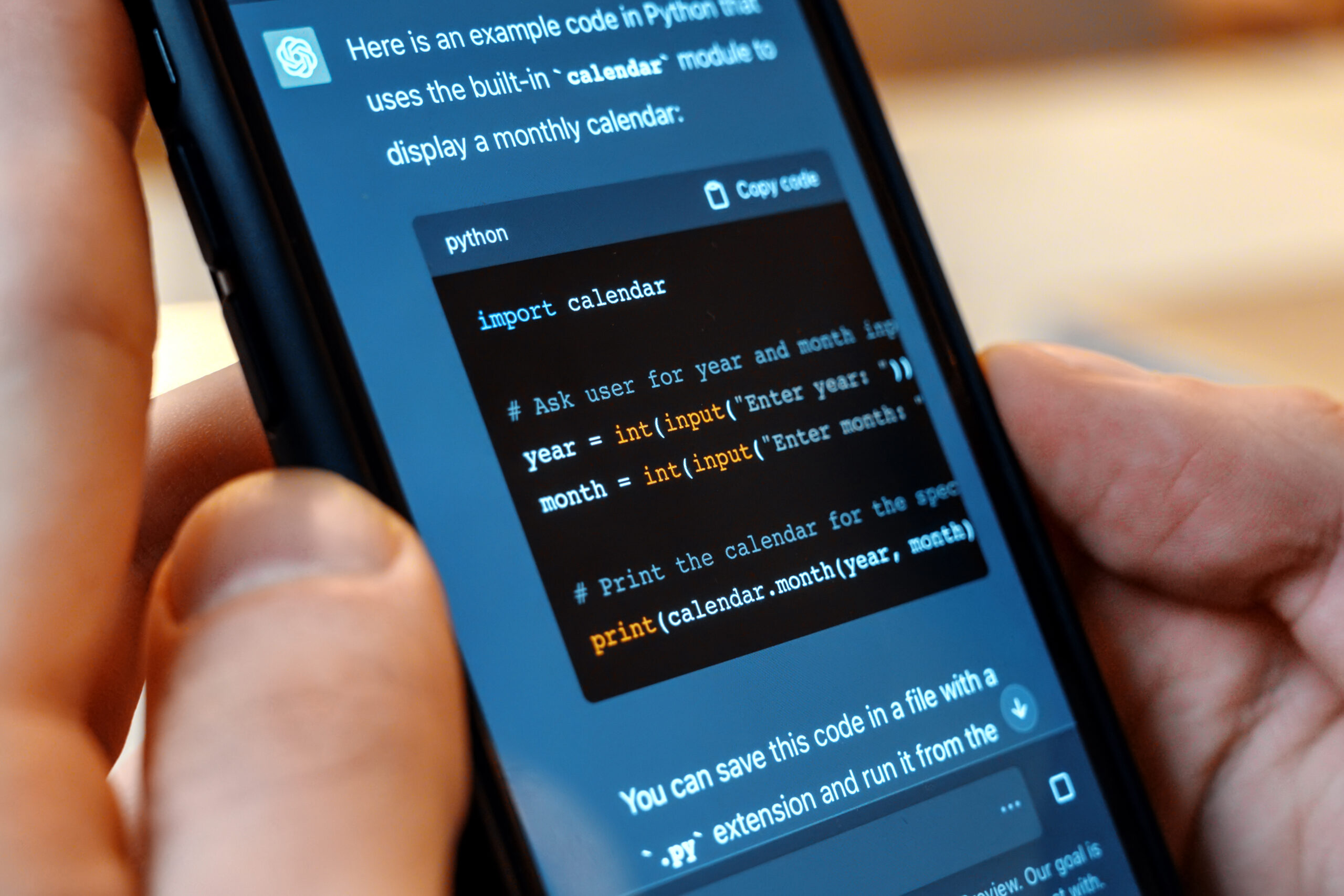
You can use GitHub Copilot all day, but if you don’t understand what it’s suggesting or why it works, you’re just guessing. Same with using AI to write an essay. If you don’t understand structure, tone, or argument, you won’t even know if the output is any good.
AI isn’t the enemy of learning. But it’s not the substitute either.
We’re starting to see some educators build this mindset into the classroom. For example: write your first draft without AI, then use it to improve, edit, or get unstuck. That sequence keeps the brain active. It protects the process of learning.
And that matters, because the process is the learning.
So… Is AI Helping Us or Hurting Us?
Depends on how we use it.
A recent study out of MIT likened the current AI hype to the dot-com bubble—huge investment, massive potential, but a lot of spinning wheels. Right now, AI isn’t necessarily making jobs easier. Sometimes, it’s doubling our workload because we have to double-check everything it generates.
And let’s be honest, we’ve all had those “wait, this sounds amazing… but is it even true?” moments with AI.
But still—it can help. We’ve seen the wins in high schools, universities, and professional settings. There’s real potential in places like:
- College-level writing and research
- Professional upskilling
- Healthcare, where AI can assist with patient monitoring
- Aged care, with AI caretakers helping with reminders and routines
But should AI take over primary education? Absolutely not. Kids need human connection. They need context. They need real back-and-forth with people who know how they learn.
No robot replaces that.
AI as a Learning Partner, Not a Shortcut
This isn’t about banning AI. Far from it. It’s about slowing down just enough to ask: Are we doing this right?
We need to teach students how to use AI well, responsibly, and creatively. But only after they’ve learned to think for themselves.
“The process of learning matters more than the tool.”
If we get this balance right, we get the best of both worlds:
- Students who are confident thinkers
- Classrooms that are innovative and tech-friendly
A future generation that doesn’t just use AI but understands it
How We’re Teaching With (Not Just Around) AI
At Kai’s Education, we’re embedding AI in ways that support—not replace—thinking.
🧠 Math in Action gives students real-world math problems to solve before they ever touch a calculator (or a chatbot).
🤖 KaiBot helps students build coding logic with hands-on robotics—teaching structure and reasoning through play.
💬 KaiLab (formerly Kai’s Clan) weaves storytelling, collaboration, and coding into one immersive, tech-enhanced journey.
These programs work because they keep the student at the center—not the tool.
Final Thoughts: Educating Minds, Not Prompt Engineers
AI is here to stay. But if we want real, meaningful learning, we need to stay grounded in one truth:
Thinking must come before prompting.
AI is only as smart as the student using it. And if we’re not careful, we’ll build classrooms full of shortcut-takers instead of problem-solvers.
Let’s keep the fundamentals strong. Let’s teach writing before editing, math before calculating, logic before prompting. And let’s use AI the way it was meant to be used: as a partner in the learning journey—not a replacement for it.
Want to use AI responsibly in your classroom?
We’ve got resources to help you strike the balance:
- Free lesson plans blending AI + fundamentals
- Teacher PD webinars on using KaiBot and KaiLab
- Educator communities to swap strategies and wins
- Free lesson plans
- Teacher webinars
- A growing educator community on Facebook and Discord
Let’s shape a future where students don’t just use technology—they understand it, question it, and grow because of it.