The Missing Link in Education: Why Cross-Curricular Learning Matters
At the recent ICTENSW Conference in Sydney, one issue stood out to us clearly: education still struggles with interdisciplinary teaching. Traditional subject silos remain deeply ingrained, despite the growing need for cross-curricular learning. The world has evolved, but the way we teach remains stuck in the past.
Why is Cross-Curricular Learning Essential?
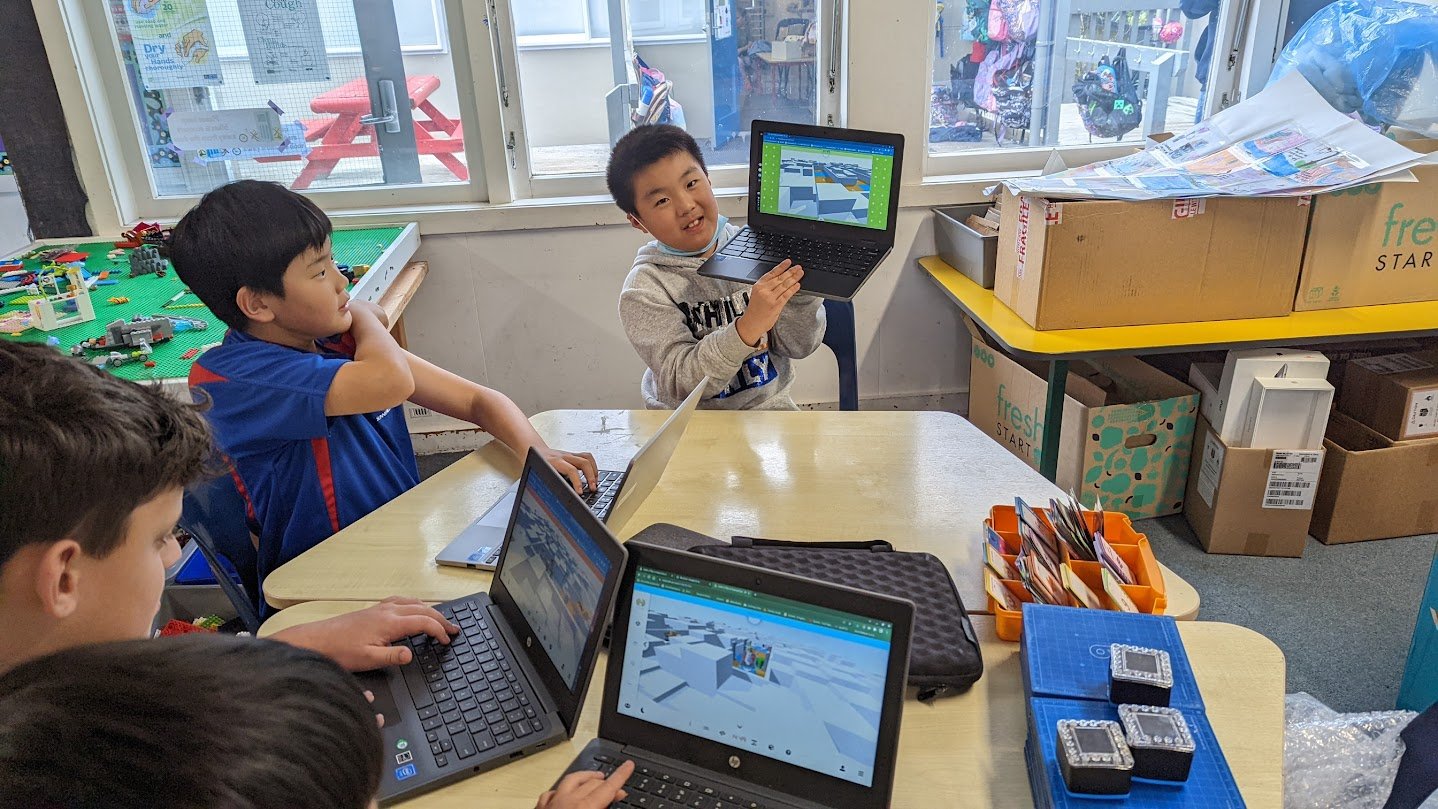
Think of coding as the bloodstream of education—it connects and fuels learning across different subjects. But where does this “blood” flow? Everywhere!
Coding isn’t just for computer science; it can enhance math, literacy, science, ELA and even history. By integrating coding into different subjects, students engage more deeply, apply critical thinking, and make meaningful connections between disciplines.
A study involving over 14,000 students found that those engaged in cross-curricular learning showed improved outcomes in science and engineering compared to those in traditional learning models.
Cross-curricular learning is especially beneficial for neurodivergent students, offering flexible, adaptable learning experiences that cater to different needs. This approach makes education more inclusive, interactive, and effective for all learners.

The Shift Towards a STEM Lens
Educators are increasingly embracing an integrated approach to STEM education. Rather than treating subjects as isolated disciplines, they focus on how different areas of learning intersect. For example, geography can incorporate data analysis, and science can include coding for simulations and modeling.
According to Australia’s National STEM Education Resources Toolkit, the most effective STEM learning happens when subjects are taught in an integrated way, encouraging students to apply knowledge across multiple domains. This approach helps students develop transferable skills, preparing them for real-world problem-solving and future careers
Challenges in Implementing Cross-Curricular Education
One major hurdle is the heavy emphasis on standardized testing, particularly in the U.S. The education system prioritizes core subjects—math and English—often at the expense of interdisciplinary learning. The pressure to meet test scores makes it challenging for educators to explore innovative teaching methods.
On average, U.S. students take 112 standardized tests between pre-kindergarten and 12th grade, which negatively impacts both students and educators. Additionally, nearly 80% of teachers report feeling significant pressure for their students to perform well on these tests.
While math and literacy are both undeniably important, preparing students for the workforce requires more than high test scores. Real-world skills—problem-solving, collaboration, and adaptability—are best developed through an interdisciplinary approach that includes coding and STEM-based activities.
How Kai’s Education Brings Cross-Curricular Learning to Life
Kai’s Education takes cross-curricular learning to the next level with its robotics and coding solutions. KaiBot and KaiLab seamlessly integrate STEM into core subjects, making learning more engaging and interactive. Here’s how:
- Math: Students can use KaiBot to explore coordinates, angles, and problem-solving through hands-on activities that reinforce mathematical concepts.
- Literacy: With storytelling and coding challenges, students can program KaiLab robots to act out narratives, helping develop literacy and sequencing skills.
- Science: KaiLab supports data collection and experimentation, allowing students to simulate real-world scientific processes and analyze results.
- Social-Emotional Learning (SEL): Through collaborative challenges, students build teamwork, communication, and problem-solving skills, which are crucial for both academic and personal development.
By blending these subjects with coding and robotics, Kai’s Education provides a dynamic way to develop critical thinking, creativity, and technological fluency—all essential for the future workforce.
If we truly want to prepare students for the future, we must break away from rigid subject boundaries. Cross-curricular learning, with coding as a foundational element, makes education more relevant, engaging, and effective. By merging subjects and adopting a STEM-based perspective, we can equip students with the skills they need to thrive in a rapidly changing world.
Stay connected with Kai’s Education by exploring more about what we offer on our website. Join the conversation on X (formerly Twitter) and Facebook, or connect with our growing community on Discord or Facebook Group!