Rebooting, Not Rushing: Returning to Class
As the long, warm days of summer begin to wind down and school bags slowly get pulled out of the closet, many students, parents, and teachers alike are beginning to feel a mix of emotions. A new school year always brings change, and with change comes uncertainty, excitement, and for many—anxiety.
For students, returning to school after a wonderful holiday can feel like hitting a wall. The ease of slow mornings, screen-free afternoons, and quality time with family gives way to alarm clocks, new classrooms, a whirlwind of academic expectations and a plethora of questions and doubts.
“Will my friends still be in my class?”
“What if the bully from last year is in my class?”
“Will I get along with my new teacher? What if my subjects are harder than last year?”
These are the very real, valid questions that many children silently carry with them on the first day back.
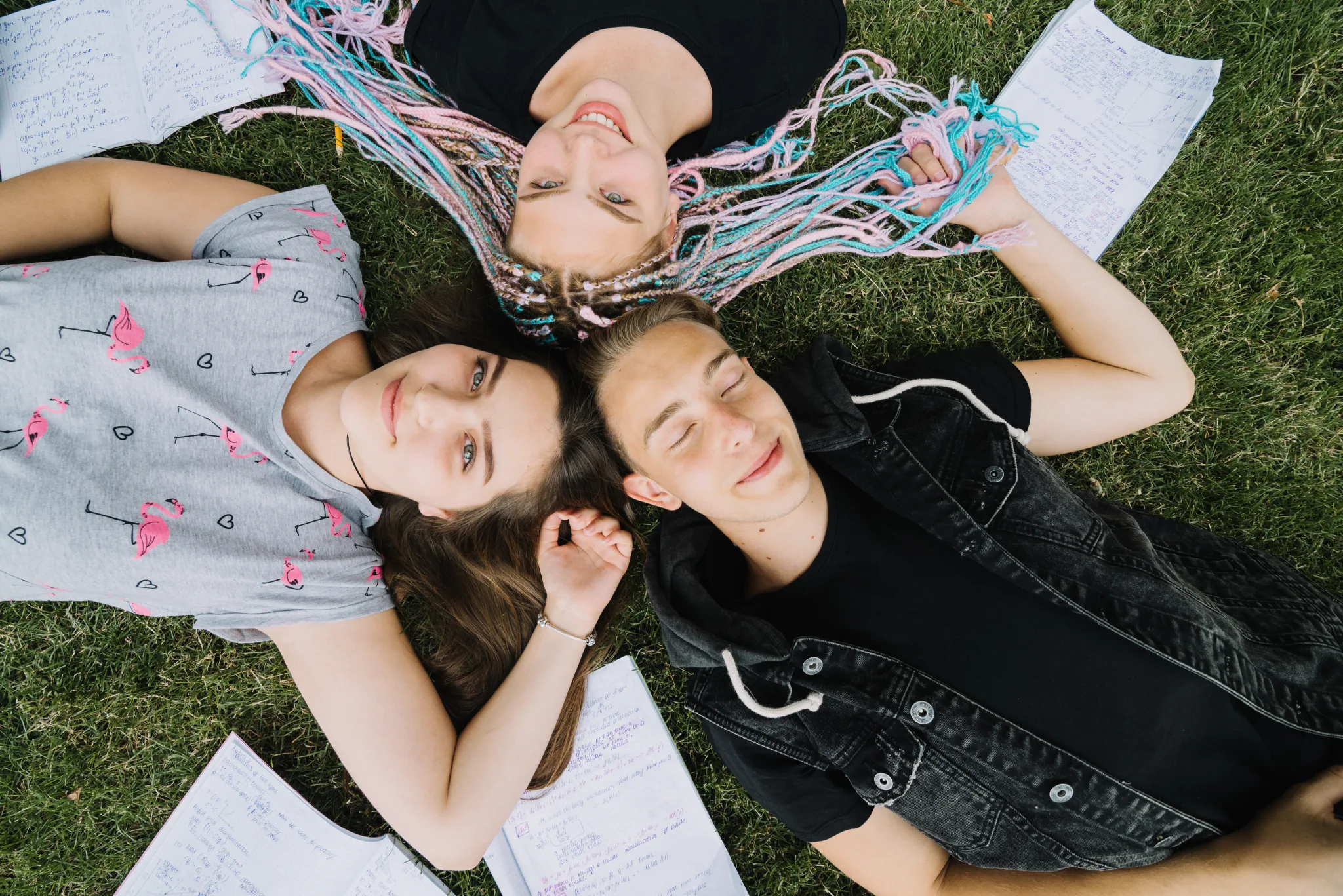
The Hidden Struggle Behind "Back to School"
The start of a new school year isn’t just about fresh notebooks and sharpened pencils—it’s one of the biggest emotional stress points for many children. Educators and mental health professionals agree: back-to-school anxiety ranks among the most common challenges school-aged kids face, especially those transitioning into new grades, schools, or social circles.
Even teachers feel the weight of transition. Just as they’ve developed strong bonds with their previous class—finally understanding each student’s strengths, quirks, and learning styles—they must now start from scratch with a new group of young minds.
As one middle school teacher shared:
“You work so hard to build that connection, and just as things start to really click—you say goodbye. Then it’s Day One again with 30 unfamiliar faces looking back at you.”
It’s no wonder the return to school can feel emotionally and mentally exhausting for everyone involved.
Flipping the Script: From Overwhelm to Gratitude
And yet—there’s another side to the story.
Despite the chaos of return, there’s a quiet resilience in each student who packs their bag, boards the school bus, and walks into the unknown. There’s strength in every teacher who shows up ready to inspire a new group, even while still missing their old one.
There’s also something important we often forget: the power of pause.
Instead of throwing ourselves head-first into work, academics, and a jam-packed schedule, what if we took a beat? What if we chose to approach the school year with small, mindful steps—and a little more grace?
According to the Anxiety and Depression Association of America (ADAA), anxiety disorders affect about 32% of adolescents aged 13–18, with many students reporting heightened stress at the beginning of the school year due to new environments, academic expectations, and social pressure.
For both teachers and students, this mindset shift is critical. Reflecting on our well-being—emotionally, physically, and socially—sets the tone for a more sustainable and fulfilling school year.
Making Space for Wellness in a Busy Year
We don’t often ask young learners (or educators, for that matter): How are you really doing? But as we push forward into lesson plans, assessments, and afterschool programs, wellness must remain at the center.
Take it one step at a time. Reconnect with trusted friends. Get to know your new teacher slowly. And yes—lean into those out-of-school opportunities that support mental health and creative growth.
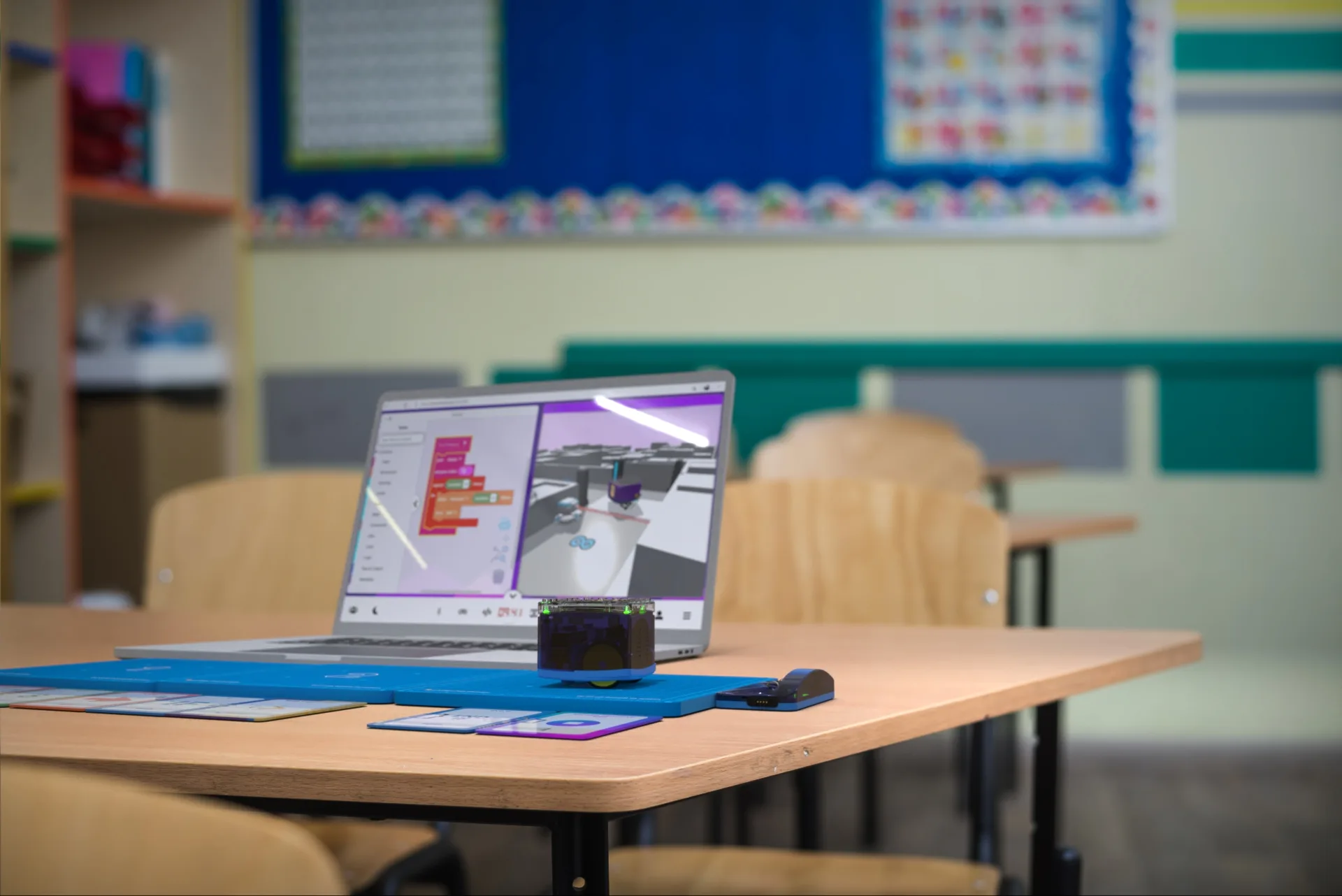
Out-of-School Time (OST) programs, such as coding clubs, robotics workshops, and after-school arts initiatives, can be an essential buffer. In fact,, research from the Afterschool Alliance highlights the broader impact of afterschool programs. Their America After 3PM report (2022) reveals that students who participate in after-school programs show improved school attendance, homework completion, and overall engagement, with 73% of parents stating that these programs help their children build social skills and feel more connected to peers (Afterschool Alliance).
These moments of connection—after the final bell rings—can ease the burden of school-day stress and help students feel seen, supported, and excited to learn.
Conclusion: The Gift of a Fresh Start
Returning to school is tough. It’s okay to feel nervous, unsure, or even a little sad. It’s okay for both students and teachers to grieve the ending of something familiar and brace for what’s new.
But within every ending is a new beginning. A new chapter. A chance to learn more about who we are—and who we’re becoming.
This school year, let’s lead with gratitude, care, and a little more compassion for ourselves and one another. Because when we make space for wellbeing, we don’t just survive the return—we thrive through it.
Looking to support your child’s return to school with hands-on, confidence-boosting activities?
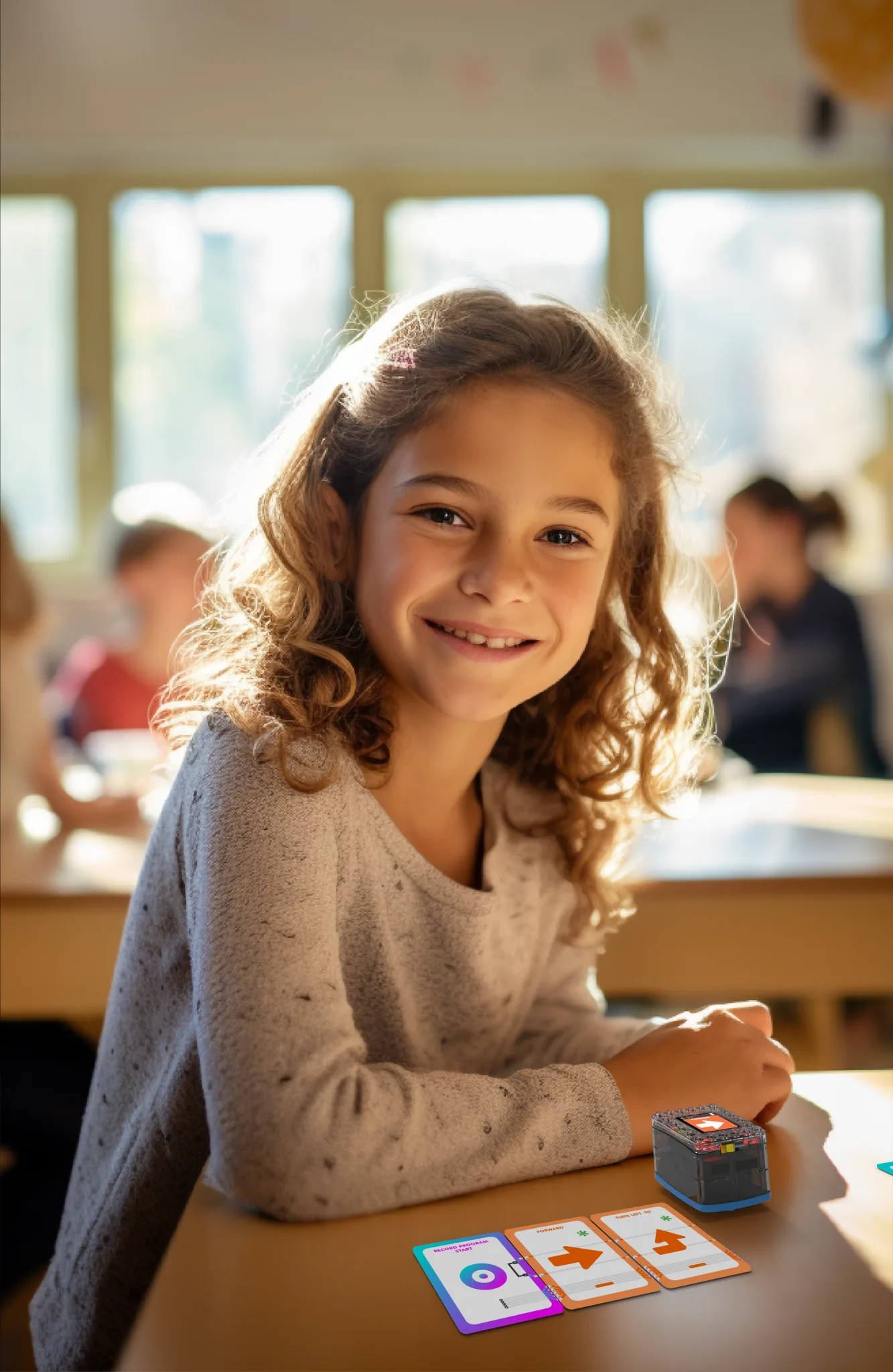
Kai’s Education offers interactive STEM tools like KaiBot that make learning fun, engaging, and supportive for all learners. Whether it’s after school or during holidays, our tools help students build creativity, resilience, and problem-solving skills—all while having fun.
Follow us on X (formerly Twitter) and Facebook, or connect with our vibrant educator and parent community on Discord and Facebook Groups.
Let’s face this school year—one step, one breath, one robot at a time!