From Homeschool to AI Schools
Rethinking Education in a Rapidly Changing World
As I usually start these, today’s shifting educational landscape means that we need new, innovative solutions. We see one question rising up above the rest; Are we truly preparing our kids for the future?
From homeschooling to charter schools, private institutions, private schools, public schools, independent schools, magnet schools, the list just goes on.
And now we see the birth of AI-powered “Alpha” schools, with every model claiming to offer a better path forward (Just like ChatGPT!). But beyond preferences and programs, the real issue is not where students learn, but what and how they are being taught.
Are these AI schools actually making a positive difference? Or are we just spitting out regurgitated information over and over, which, let’s be honest, isn’t too dissimilar from current schooling standards. Let’s cover the benefits and consequences of AI schools compared to traditional schools.
The Modern Education Spectrum
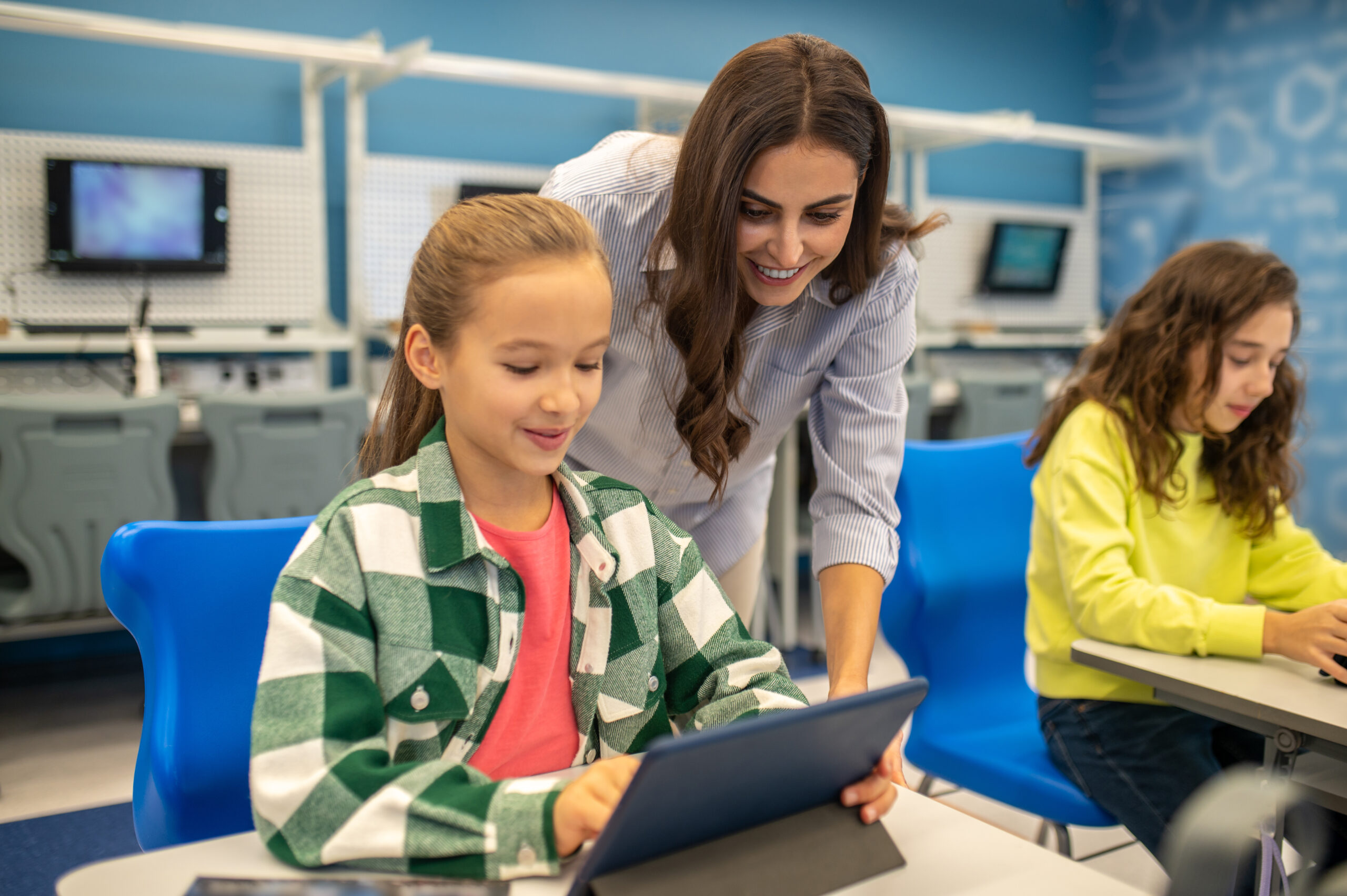
Each type of school brings its own individualised approach to learning and development:
Homeschooling. Over the past decade, it has grown massively. Today, over 3 million U.S. students learn at home. Research shows homeschoolers often score 15 to 30 percentile points higher on standardized tests than their public school peers; However, this can limit socialisation within students and can heighten a sense of loneliness. (NHERI).
- Charter and Magnet Schools. These schools, publicly funded but privately sponsored, aim to bring innovation into the public system. A major study found that charter school students made academic gains equal to 16 extra days in reading and 6 in math per year (EdWeek).
Private and Public Schools. These traditional schooling systems serve the majority of students and provide a broad curriculum with certified teachers. Public schools are funded and regulated by government bodies and offer free education, while private schools rely on tuition and donations, often with more specialized programs. Despite challenges such as funding disparities and class size, public schools have shown steady improvement in standardized test scores over the past decade. Private schools often boast higher graduation rates and college acceptance percentages, though they vary widely based on location and resources (NCES), (PrivateSchoolReview).
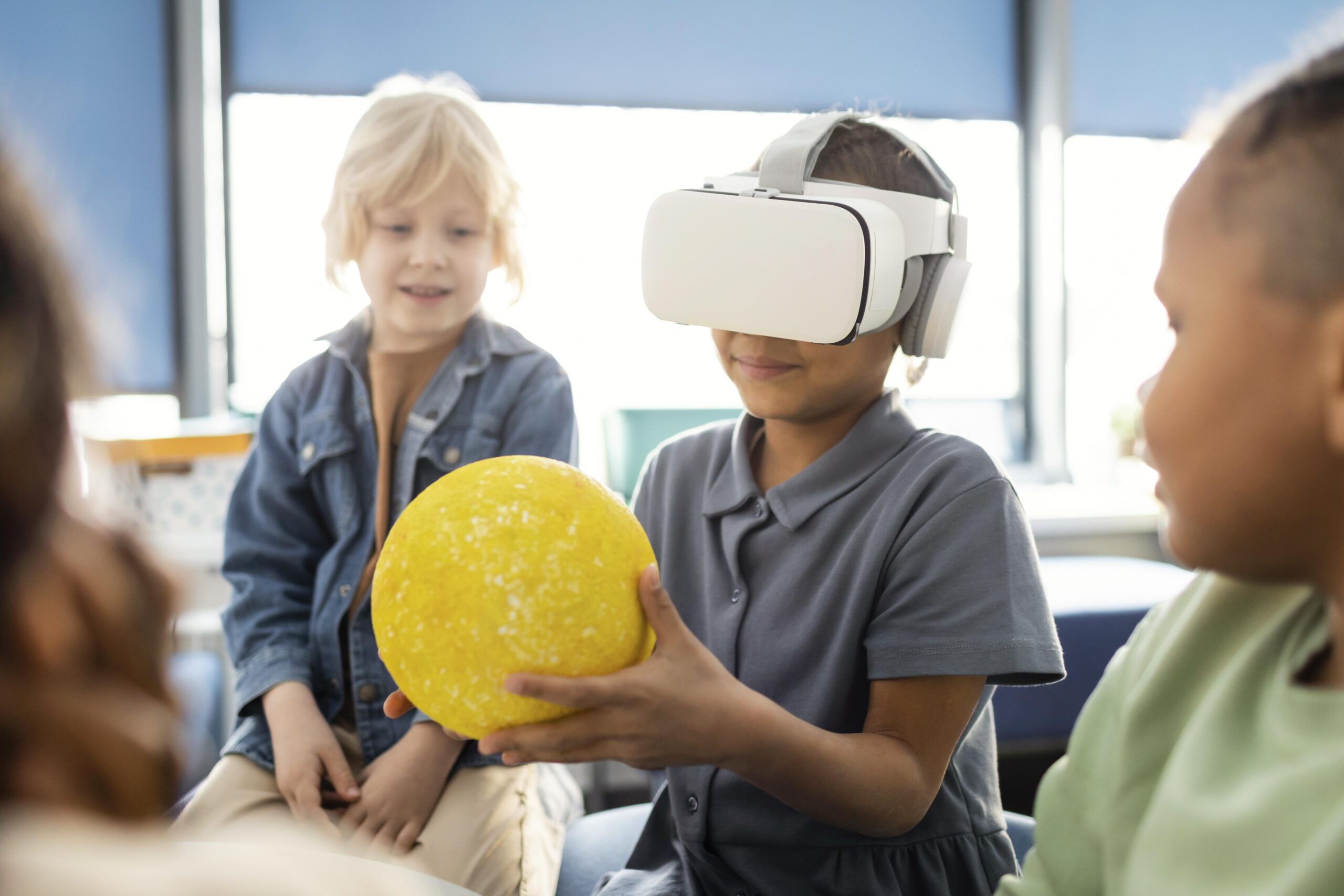
AI and Alpha Schools. These new, tech-forward models use adaptive platforms and tools like ChatGPT to deliver personalized learning. Some report that students rank in the top 1 percent nationally, although critics point out that selective enrollment may influence results (Washington Post).
Teaching for the World Ahead
The purpose of education has always been to prepare students for life beyond school. However, the methods we use must evolve. Traditional lectures and memorization are no longer enough.
Students today need:
- Critical thinking
- Creative problem-solving
- Communication and collaboration
- Emotional intelligence and adaptability
“Are we just teaching kids to repeat like parrots, or helping them think critically and connect the dots?” – Ronel Schodt
Can AI Teach Soft Skills?
AI tools are effective at delivering content, adjusting to student pace, and assisting with independent learning. This works especially well at the high school level.
But teaching soft skills is different. For younger learners, particularly those in early elementary years, the presence of a caring teacher is essential. They need support, feedback, and emotional guidance. Elementary schools still need teachers; That guiding mentor to help shape their lives early on.
AI can support education, but it cannot replace the human connection required for social growth and emotional development.
Are We Teaching Future‑Proof Skills?
It is encouraging to see schools introducing subjects like:
- Computer science
- Cybersecurity
- Robotics and AI literacy
- Digital citizenship
Still, students need more than access to content. They need real-world experiences, hands-on problem-solving, and collaboration. Knowing how to Google answers is not enough — students must learn how to think through complex problems and apply what they know.
Focus on Purpose, Not Platform
Each new schooling model, from homeschool to AI-enhanced classrooms, has its own strengths. But success depends less on the type of school and more on its mission.
The future belongs to students who are curious, capable, and adaptable. Whether they learn at home, in public schools, or in cutting-edge AI classrooms, they deserve an education that prepares them for a world that keeps changing.
Want to bring future-ready learning into your classroom?
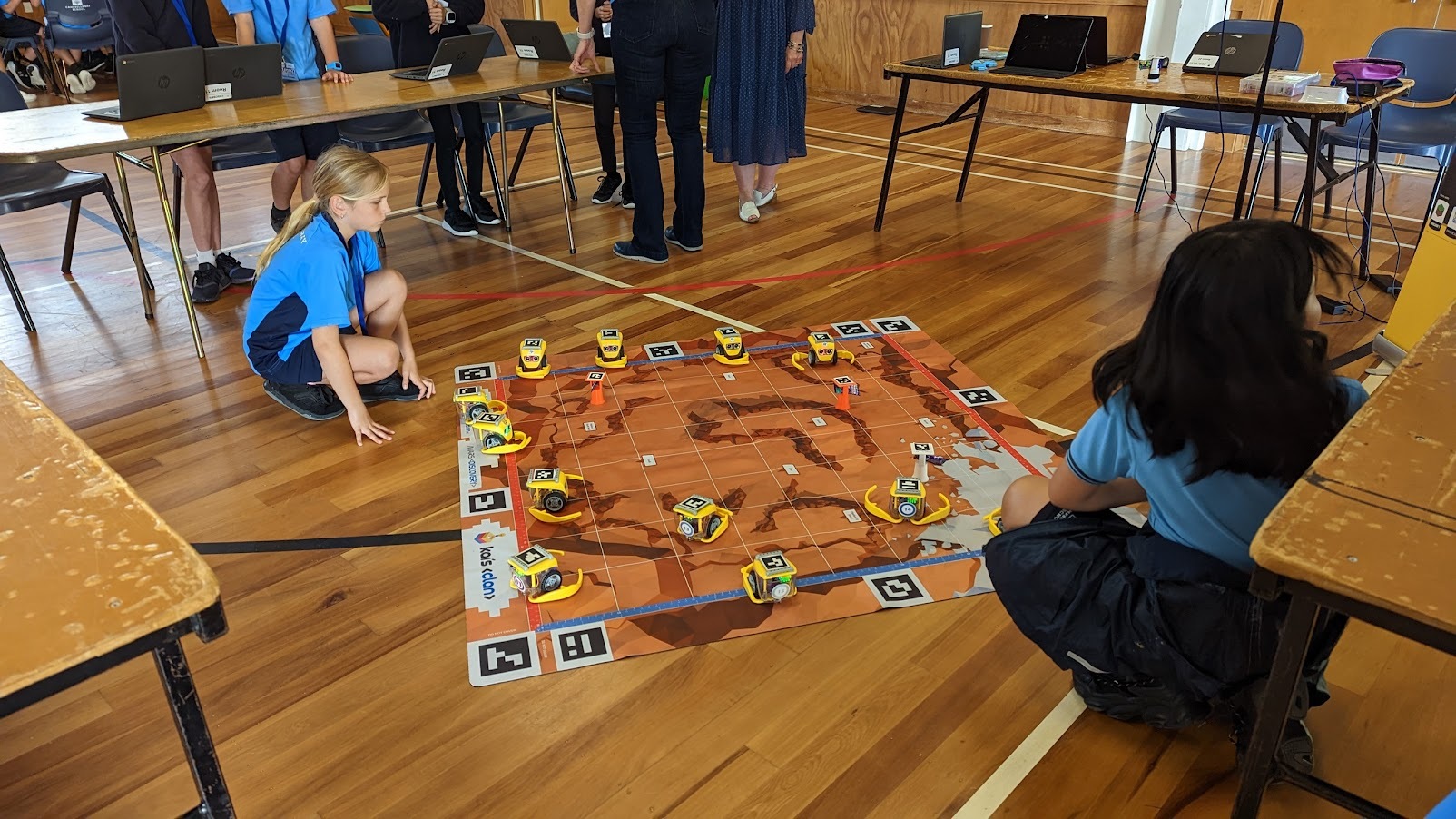
Kai’s Education supports hands-on, project-based STEM learning through robotics, coding, and creative collaboration.
Explore our free lesson plans, webinars, and educator community. Let’s build classrooms where students don’t just learn — they thrive.
Connect with us on X, Facebook, our vibrant educator community on Discord, or our Facebook Groups to stay in the loop!