Beyond the Bell: After School Learning
In a world that’s rapidly changing and evolving around us, the pressure on parents and educators to provide better educational experiences for children is more intense than ever. With many state and school-level budget cuts limiting the educator sector, many parents find themselves seeking out-of-school options to help their kids develop the skills they need to thrive. From coding clubs to robotics teams, extracurricular programs are becoming a vital part of children’s education– Not to mention how vital it is for forming those close social connections.
While formal school hours play a significant role in laying the foundation for learning, after-school programs, holiday camps, and other out-of-school activities offer a unique opportunity for children to engage with enriching education in new and innovative ways. We’ll be exploring how these after-school programs and workshops, especially those centered around STEM (science, technology, engineering, and math) learning, can foster creativity, critical thinking, and problem-solving skills.
The Impact of Budget Cuts on Formal Education
But first, we need to understand the depth of the budget cuts. Looking ahead to the 2026 school year, significant changes are expected as budget cuts to the U.S. Department of Education are projected to exceed $10 billion. These cuts, which are currently in progress, will impact various educational programs across the country. Among the most affected will be initiatives supporting English language learners, which are slated for elimination under the proposed budget. This reduction in funding is affecting more than just classroom resources—it’s impacting extracurricular activities that many students depend on for a well-rounded education. Music, arts, sports, and STEM-related clubs, all those fun and enjoyable social activities that help kids connect with one another, all suffer losses due to it.
However, many parents are determined to ensure their children don’t miss out on these opportunities. They’re actively looking for alternatives, and out-of-school programs are becoming a go-to solution– And we think the key is in after-school learning. With the growing popularity of STEM education, parents are increasingly willing to invest in coding classes, robotics workshops, and other enrichment programs.
The Growing Popularity of STEM and Robotics Clubs
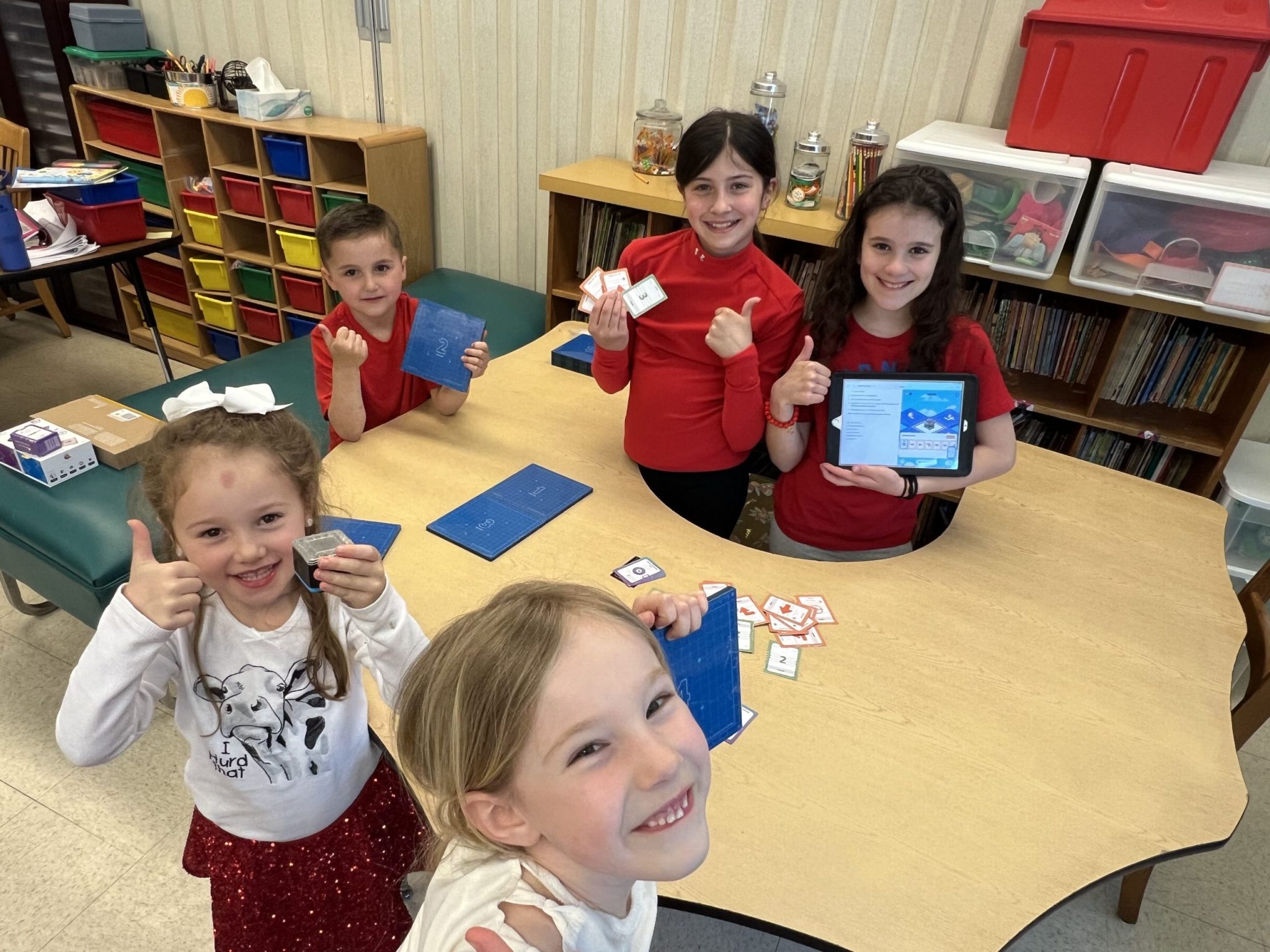
Afterschool STEM clubs are booming across the country. These programs provide students with hands-on, project-based learning experiences that allow them to explore technology, engineering, and science in a fun and interactive way (sometimes, even competitive!) From building robots to creating apps, STEM clubs offer a creative space for kids to apply classroom knowledge to real-world challenges.
Many parents are taking matters into their own hands. In communities across the country, parents are volunteering or forming robotics and STEM clubs after school, ensuring their children have access to quality programs despite the lack of formal school offerings.
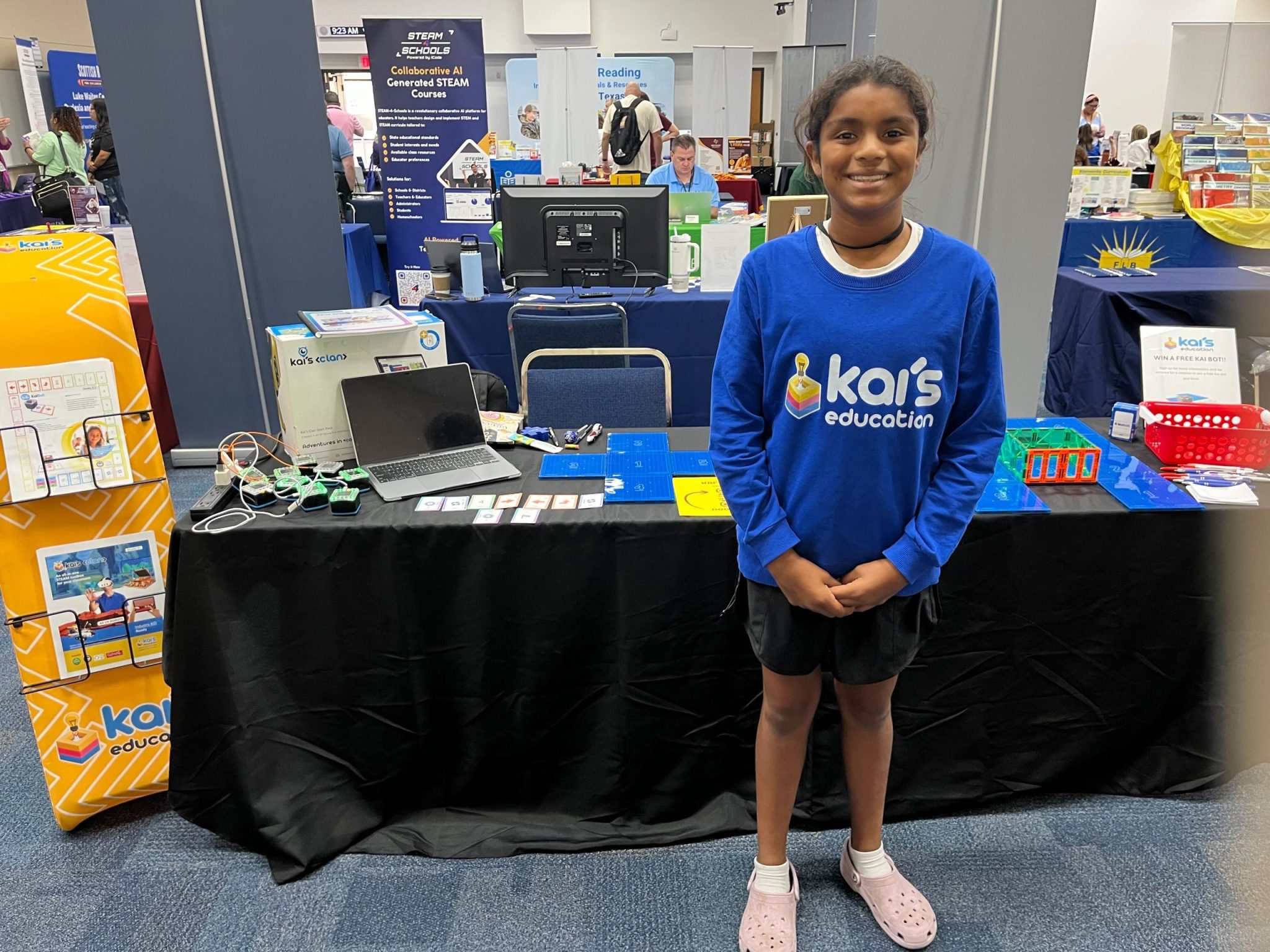
A prime example of how these types of programs work is the Out-of-School Time Initiative (OSTI) conference. At this event, Kai’s Education introduced KaiBot, a hands-on learning tool designed to make coding and robotics accessible to young learners. Teachers and facilitators at the conference were impressed by the interactive nature of KaiBot, noting its ability to engage students and make learning fun while reinforcing key STEM concepts through project-based learning.
Take a look at this awesome feature of Jessie proudly in front of a Kai’s Education booth– what a superstar learner!!
Bridging the Gap: Out-of-School Time (OST) Learning
As parents seek ways to supplement their children’s education, afterschool and holiday programs have become an essential part of the learning landscape. In fact, the Afterschool Alliance reports that “about 1 in 5 kids in the U.S. (around 11 million) are unsupervised after school,” which underscores the need for structured, educational programs during these hours. Additionally, 30% of parents state that after-school programs are key to their child’s development.
Out-of-School Time (OST) programs are more than just a safe place for children to be when school ends—they offer a space for kids to learn, grow, and develop essential skills that aren’t always covered in traditional classrooms. The National Afterschool Association (NAA) found that children who participate in OST programs tend to perform better academically, with 47% of kids reporting better grades in math and reading.
For example, KaiBot, a part of Kai’s Education, engages students in both STEM and computational thinking. This interactive tool helps kids explore coding, problem-solving, and creativity—all through fun, game-like challenges that they can complete at home or in an afterschool setting. With tools like KaiBot, learning is no longer limited to a classroom setting. Instead, kids get the chance to learn through hands-on experiences that foster both technical and critical thinking skills.
Spotlight on Big Community Initiatives: CASE in Texas
One inspiring model for out-of-school programs is CASE (Capital Area Suburban Exchange) in Texas. Known for offering a wide range of afterschool and weekend programs in diverse areas, CASE focuses on providing quality educational and enrichment opportunities in STEM, coding, robotics, arts, and more.
The organization works with local schools, community centers, and nonprofits to bring accessible programs to children in suburban areas.
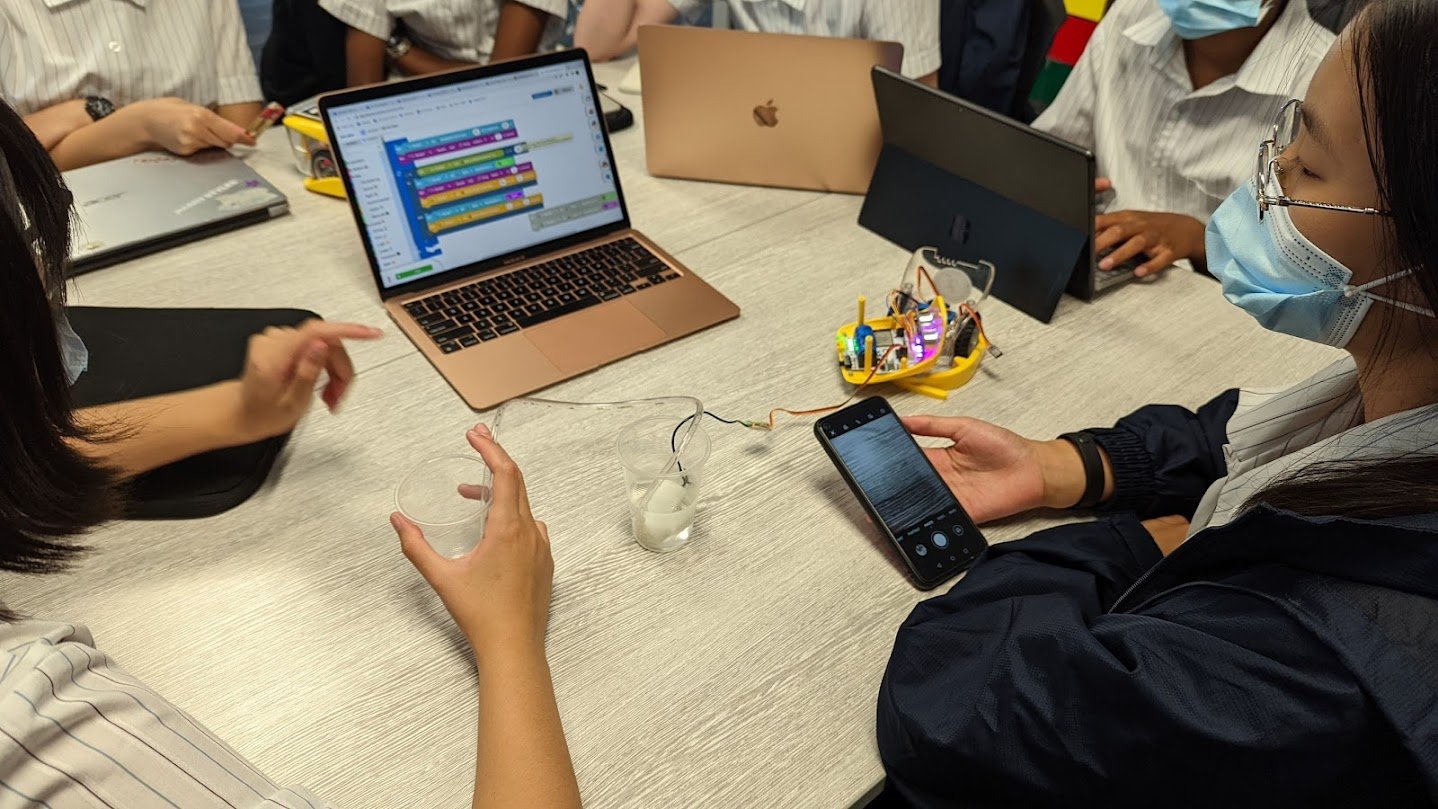
CASE’s wide-reaching initiatives reflect the power of large-scale, community-driven efforts to provide educational opportunities for children outside of school hours. Programs like CASE help fill in the gaps where schools may fall short, offering students the opportunity to engage with STEM subjects in a creative, hands-on way.
The Future of Out-of-School Learning: Opportunities and Challenges
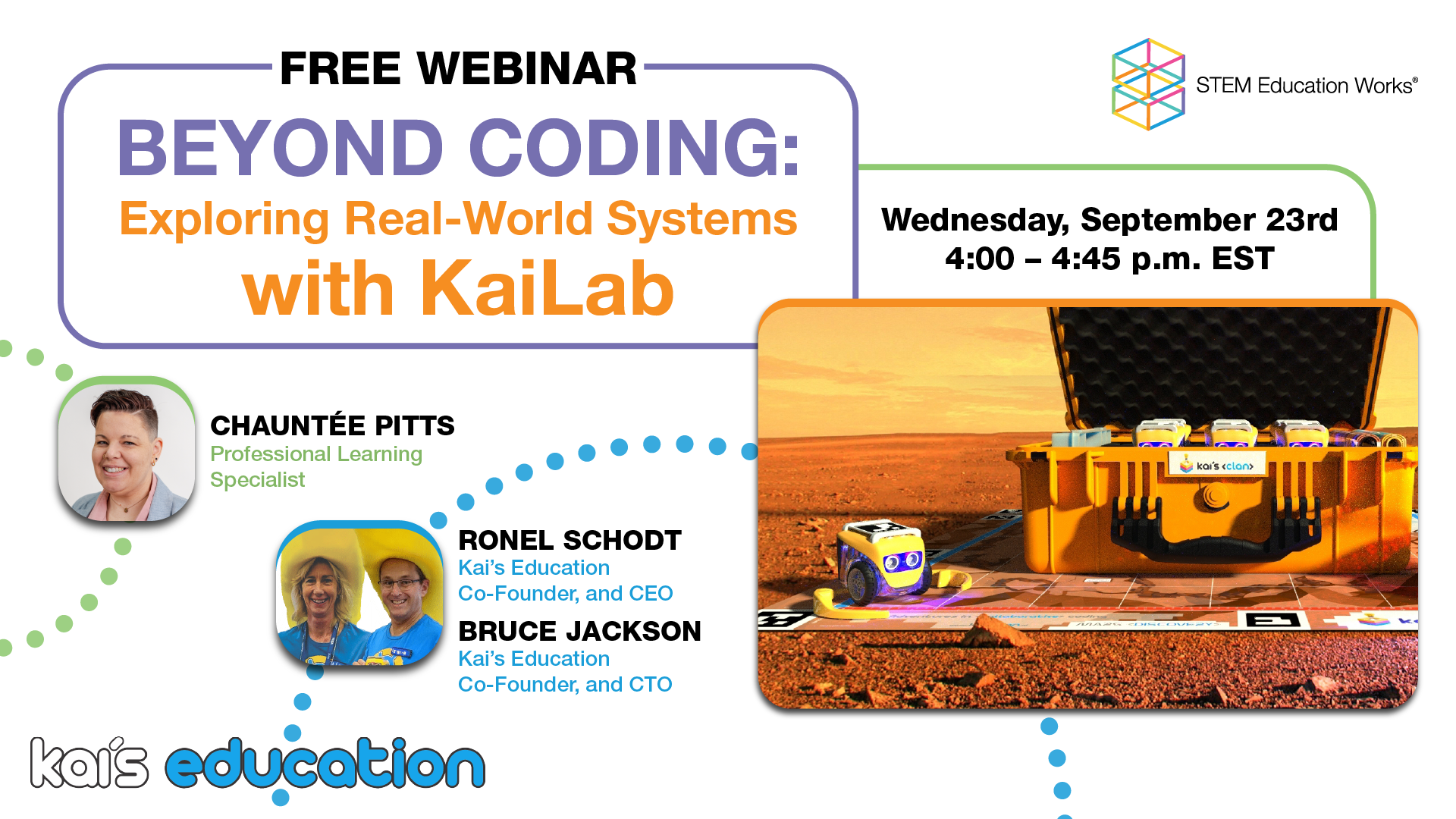
As technology becomes more integral to daily life, digital tools are helping to expand access to learning outside of the classroom. Apps, interactive learning devices, and online platforms allow children to engage with educational content anywhere and anytime. Tools like KaiBot and KaiLab (formerly Kai’s Clan) are designed to make STEM learning accessible, fun, and hands-on, which can enhance both formal and informal education.
While these innovations are exciting, there’s still much to be done to ensure that every child has access to quality out-of-school learning experiences, regardless of their background. Expanding access to affordable programs in underserved communities and ensuring that technology is used to promote inclusivity should be a top priority for policymakers, educators, and parents alike.
Moreover, the collaboration between parents, educators, and community organizations will be key in making out-of-school programs more impactful. When communities come together to support these initiatives, the learning possibilities for children are endless.
As the educational landscape continues to evolve, out-of-school programs are proving to be an essential complement to formal education. STEM clubs, holiday workshops, and afterschool programs offer a unique opportunity for kids to develop the skills they need to succeed in an increasingly digital world.
The statistics are clear: afterschool programs have a lasting impact on a child’s academic and personal growth. With the support of community-driven initiatives like CASE, and with innovative tools like KaiBot, we are readily and proactively creating a future where every child has access to hands-on, engaging learning that prepares them for the future.
If you’re looking for ways to support your child’s education beyond the classroom, consider exploring local robotics clubs, coding workshops, or holiday camps that foster STEM education. Together, we can build a future where every child is empowered to learn, create, and thrive.
Looking to bring STEM learning to your child outside of school? Explore more about Kai’s Education and our interactive learning tools like KaiBot that make coding and robotics fun for young learners! Make sure to drop us a follow on X (formerly Twitter) and Facebook. You can also connect with our growing community on Discord or our Facebook Group!