Access Changes Lives. That’s Why We Built KaiBot Differently.
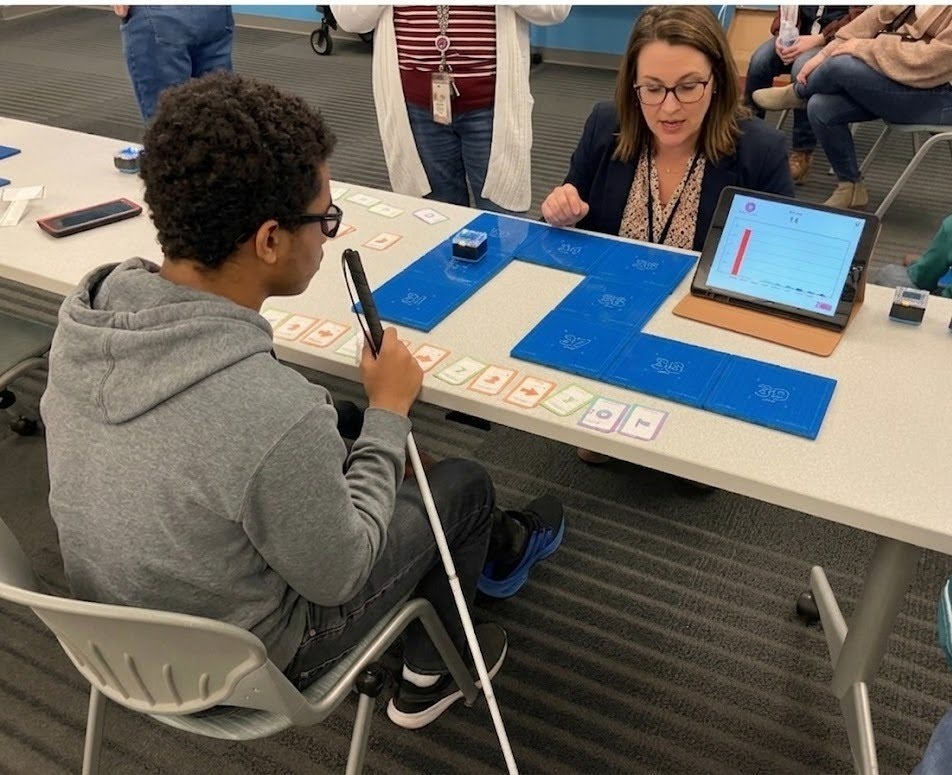
Photo courtesy of the Region 11 Visually Impaired Conference
One of the things that shaped how I think about education and accessibility today actually started long before KaiBot.
Years ago, I worked with the Deaf Association of New Zealand, and it opened my eyes to something that has stayed with me ever since.
Access changes lives.
Not just access to technology. Access to learning. Access to communication. Access to confidence. Access to opportunities that many people take for granted.
What struck me most was how hard it often was to find resources that were genuinely designed to improve people’s lives in practical ways. Too many solutions felt like afterthoughts instead of being built with inclusion at the center from day one.
That experience heavily influenced what we are building at Kai’s Education.
Today, seeing students who are blind, have low vision, are neurodivergent, are multilingual, or are struggling with traditional learning methods engage with KaiBot reminds me why this work matters so much.
We are also incredibly proud to now be partnering with American Printing House for the Blind (APH) to help bring accessible coding and computational thinking to more blind and low-vision students across the United States.
The pack includes:
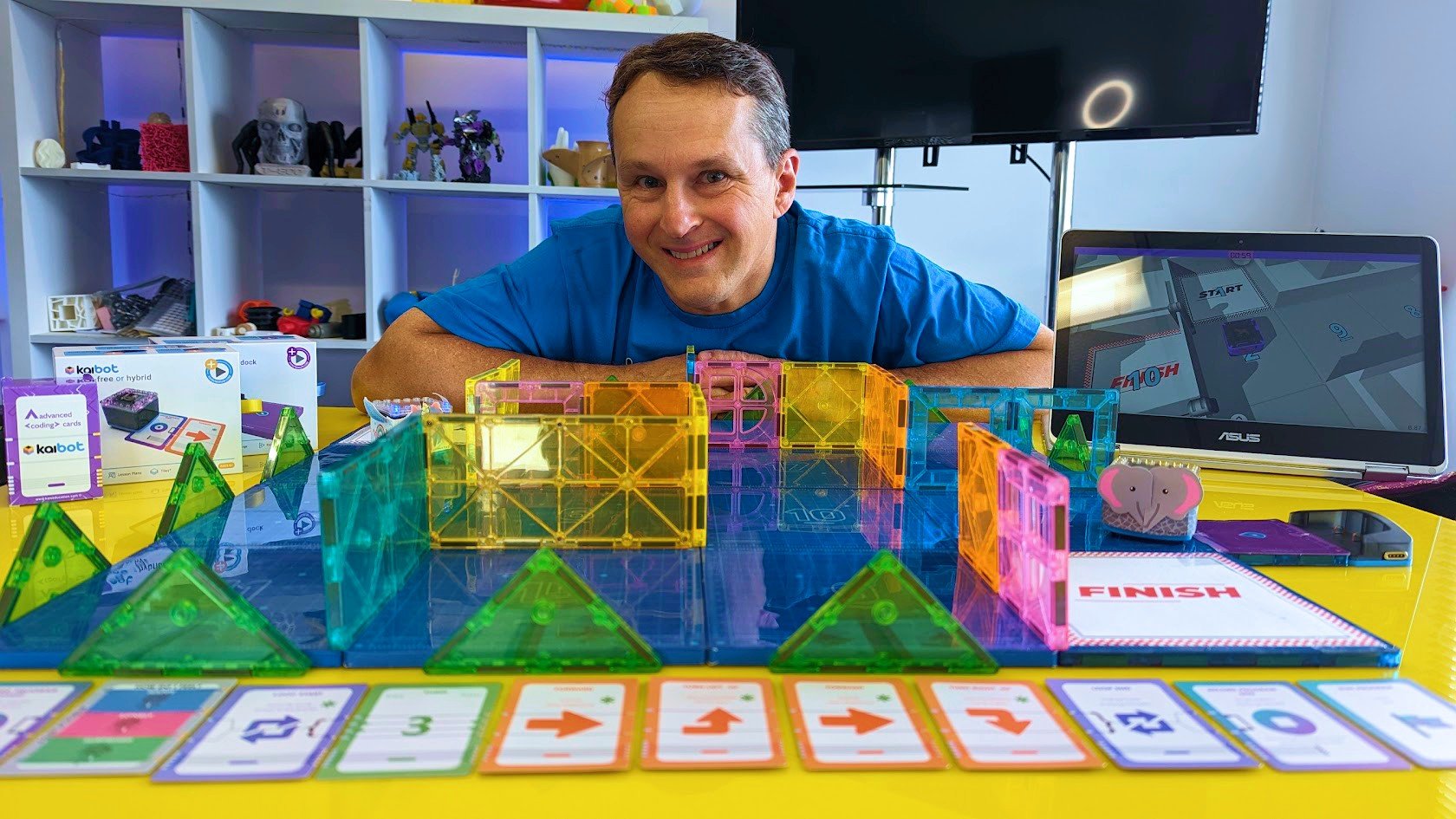
• 1 x KaiBot, our screen-free, tactile coding robot designed for hands-on learning at home or in the classroom
- 20 x KaiTiles magnetic tiles used to build customizable layouts and pathways for KaiBot to navigate
- 1 x Braille Coding Cards, coding cards built to support people who are blind or have low vision to scan
- Kainundrum accessible app with a screen reader and scan mode through text-to-speech
- 15 K–8 Lesson Plans designed specifically for accessible, hands-on computational thinking and STEM learning
And the feedback we are receiving has been truly incredible.
Ben Davisson recently shared this after receiving a KaiBot Accessible Pack:
“This is very exciting to see these take off! I know that I love them and tell everyone about them who will listen!
I had my family involved with exploring them. My mother asked me what they were and I gave her a brief overview. Then, I let her explore. She was taken back with the accessibility of them and how they work with various learning styles of our students.”
That feedback means a lot to us because this was never about building “just another robot.”
It was about building something hands-on, inclusive, and approachable. Something that helps students feel capable instead of excluded.
What matters most to me is giving teachers, parents, and students access to the same learning opportunities together.
A student should not need to be separated from the rest of the class to learn coding, computational thinking, or even subjects like math.
They should be able to learn alongside their peers using the same hands-on tools, lessons, and classroom experiences.
That is what inclusion should actually look like.
A huge thank you to the teachers, specialists, accessibility advocates, and families helping us shape this journey. Your feedback continues to push us to build better tools for students everywhere.