The Communication Skill AI
Can't Practice for US
AI can help us find the words, but listening with humility means letting what we hear change how we act.
By Ronel Schodt, CEO, Kai's Education
Picture this.
You have prepared carefully for a difficult conversation. You know what you want to say. You have even asked AI to help you find the right words: clear, calm, thoughtful.
Then you sit down with the person. You deliver your beautifully prepared opening. They look away. There is a pause you hadn’t anticipated.
Suddenly, the words you rehearsed don’t feel quite right. What happens next?
That is the moment I keep coming back to when I think about communication and AI.
We have powerful tools to help us write, explain, summarise and rehearse. But a conversation asks something more of us. It asks us to notice another person, question our own interpretation and respond to what is actually happening.
For me, the skill at the center of that is listening with the willingness to change your mind.
Monique Bradley’s article, The Most Undervalued Communication Skills, prompted me to think about the quieter work of communication: checking understanding, adapting our approach and remaining curious when a message hasn’t landed.
Reading it, I thought about how much attention we give to getting our words right. How much attention do we give to being wrong about what someone else means?
A short reply arrives, and we decide the person is annoyed. Someone questions our proposal, and we hear criticism. A colleague goes quiet, and we assume agreement. We can build quite a story from very little evidence. Once we decide what the story is, we start responding to it.
This is where critical thinking becomes deeply personal.
Christine Elgersma’s Common Sense newsletter headline, This Digital Citizenship Week, Critical Thinking Is Key, feels relevant well beyond the classroom. In her article, 3 Core Human Skills to Build Before AI Use, she explores critical thinking, creativity, and connection as foundations for learning alongside AI.
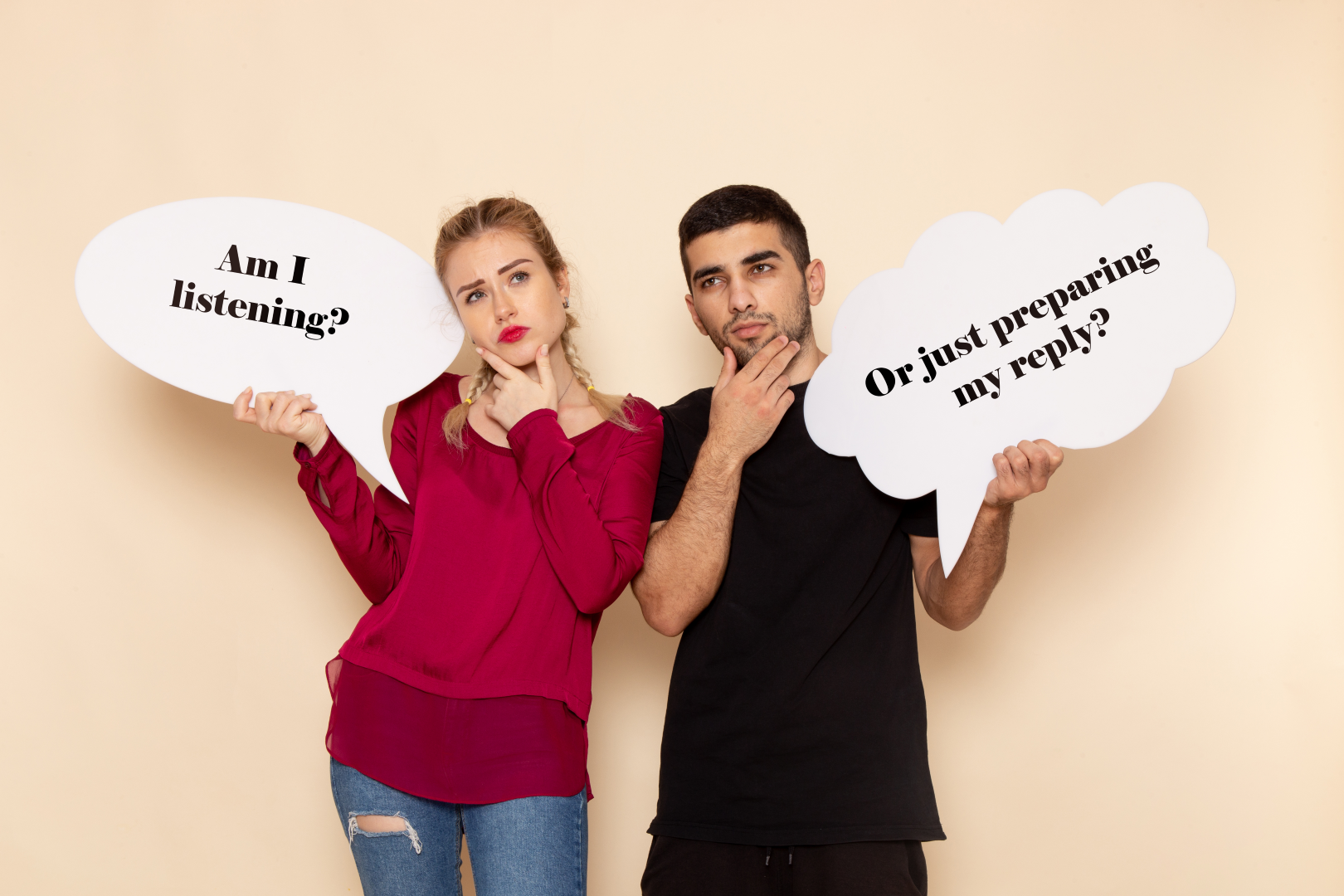
We readily talk about questioning information online and checking the source. We look for evidence and consider other explanations. But do we bring that same discipline into our conversations? Do I know this person is being dismissive, or have I decided they are? Am I listening to understand, or collecting evidence for my reply? What would I hear differently if I loosened my grip on being right?
Simon Sinek’s work on human skills adds another layer. In a discussion shared by his team, he describes approaching a difficult conversation by acknowledging that he might get the words wrong, while making clear that the conversation matters enough to have it anyway.
That idea stays with me. There is something deeply human about admitting, before we begin, that we may stumble. It gives the other person room to be imperfect too.
It also brings me to a bigger question: can AI teach us how to be human?

Perhaps it can help us recognize a kinder response. It can suggest a better question, challenge an assumption, or help us rehearse an apology.
But we still have to mean the apology. We have to hear the answer to the question. We have to decide whether we are willing to change. AI cannot make us choose curiosity when we feel defensive. It cannot take responsibility for how we treat the person in front of us.
That practice belongs to us. This is where the question becomes personal for me through Kai’s Education.
If we want to improve teachers’ lives and create better conversations in education, we have to listen to the teachers standing in front of students every day. I keep coming back to that. They are the very people we want to support. How much space are we giving them to shape what that support looks like?

It is easy to enter a conversation with an idea we are excited about. We can see its potential. We want to explain how it could help. But when we are already preparing our explanation, we can miss what a teacher is trying to tell us. What is taking up their time? What is making a school day harder than it needs to be? Where could support make a meaningful difference? And when their answers challenge our thinking, are we willing to change our approach?
For me, that is where listening becomes a responsibility
At Kai’s Education, I want the conversations we have with teachers to shape our work. That means making room for honest feedback, asking another question when we don’t understand, and returning to check whether we have understood them properly.
AI can help us explore ideas and possibilities. Teachers bring the experience of being in that classroom, with those students, on that particular day. If our purpose is to improve their lives, their voices need to influence our decisions.
That requires us to stay present when a conversation becomes uncomfortable. To allow a silence to last a little longer. To accept that our carefully chosen words, or our carefully developed ideas, may have missed something important.
So my answer to the question of which communication skill AI cannot teach comes with a qualification. AI can teach techniques and support our learning. Listening with humility develops through the choices we make in real relationships, especially when those choices are uncomfortable.

The next time I am tempted to prepare the perfect response, I want to remember to leave room for a better question—and be willing to act on the answer.
Because listening well means allowing what we hear to change what we do.
When did you last listen to someone and change your approach because of what they told you?